Is Borax For Fleas Safe For Dogs? – Pet Owners Need to Know

Fleas are one of the most frustrating problems dog owners face. These tiny pests can cause itching, skin irritation, hair loss, and even infections. Because of this, many people look for cheap home remedies to remove fleas from carpets and furniture. One popular option is borax.
No, borax for fleas is not safe for dogs. It can be toxic if inhaled, licked, or swallowed and may cause serious health problems.
Before using borax in your home, it is important to understand the risks and safer flea-control options available for pets.
What Is Borax?
Borax is a natural mineral made from sodium, boron, oxygen, and water. It is commonly sold as a white powder and used in many household cleaning products.
People often use borax for:
- Laundry cleaning
- Removing stains
- Odor control
- Killing insects
- Cleaning carpets
Because borax can dry out insects and damage flea larvae, some people spread it on carpets to help control flea infestations.
Why People Use Borax for Fleas
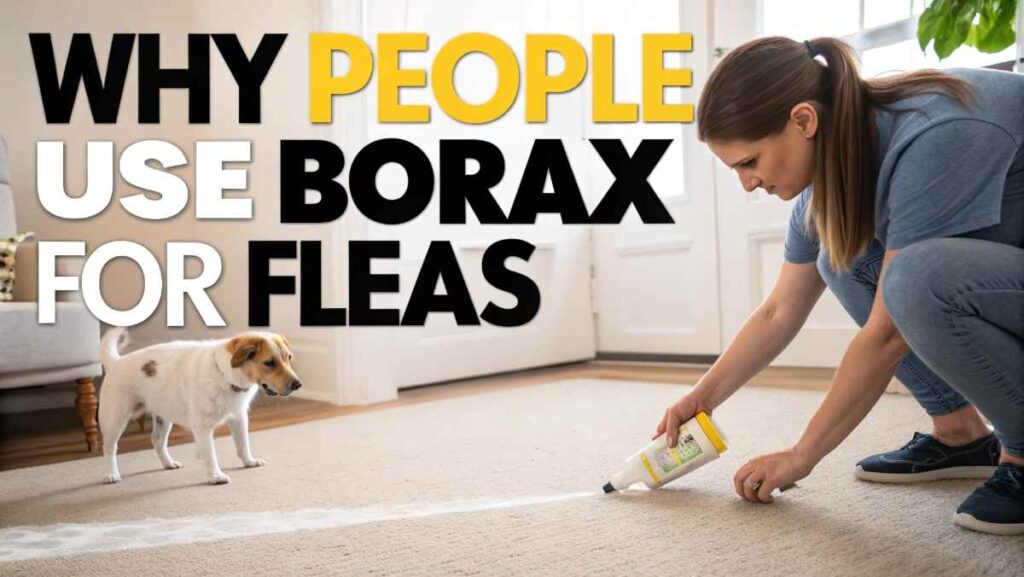
Borax became popular as a home flea remedy because it is inexpensive and easy to find. Many homeowners believe it can help reduce flea populations inside the house without paying for professional pest control.
People usually sprinkle borax on:
- Carpets
- Rugs
- Furniture
- Cracks in flooring
- Pet sleeping areas
The powder is left for several hours before vacuuming.
While borax may help kill flea larvae, it does not always remove adult fleas completely. It also does not treat fleas living directly on your dog.
Can Borax Kill Fleas?
Yes, borax can help kill flea larvae and flea eggs in carpets and fabric. It works by drying out the insects and damaging their outer layer. However, borax has limits.
Does Borax Kill Adult Fleas?
Borax mainly affects flea larvae. Adult fleas are harder to kill with borax alone. This means the infestation may continue if other flea-control methods are not used.
Many flea problems return because adult fleas remain alive on pets and inside the home.
How Long Does Borax Take to Work?
Borax usually takes several hours or days to affect flea larvae. It is not an instant solution. Severe flea infestations may require repeated cleaning and treatment.
Vacuuming regularly is still important because it removes flea eggs, larvae, and adult fleas from carpets.
Why Borax Can Be Dangerous for Dogs
The biggest problem with borax is the risk of exposure to pets. Dogs are naturally curious. They sniff floors, lick surfaces, groom their paws, and sometimes eat strange substances.
Because of this, dogs can accidentally swallow borax powder from carpets or furniture. Borax may also irritate the skin, eyes, and lungs.
Symptoms of Borax Poisoning in Dogs
The symptoms depend on how much borax the dog was exposed to.
Common signs include:
- Vomiting
- Diarrhea
- Drooling
- Loss of appetite
- Paw licking
- Skin redness
- Eye irritation
- Weakness
- Excessive thirst
In more serious cases, symptoms may include:
- Tremors
- Breathing problems
- Seizures
- Collapse
Dogs with small body sizes, puppies, and senior dogs may have a higher risk of complications.
Can Borax Cause Seizures in Dogs?
Yes, severe borax poisoning may lead to seizures in some dogs. This usually happens after large amounts are swallowed or inhaled.
Toxic chemicals can affect the nervous system and trigger dangerous reactions inside the body. Seizures are considered a medical emergency and require immediate veterinary care.
If your dog suddenly shakes, collapses, loses consciousness, or has muscle twitching after borax exposure, contact a veterinarian right away.
What Happens If a Dog Licks Borax?
Many dogs accidentally lick borax from their paws after walking on treated carpets. Small exposures may only cause mild stomach upset, but larger amounts can be dangerous.
Mild Symptoms
A dog that licks a small amount of borax may develop:
- Drooling
- Nausea
- Vomiting
- Mild diarrhea
- Lip licking
These symptoms may appear within a few hours.
Serious Symptoms
Larger exposures can lead to:
- Severe vomiting
- Dehydration
- Tremors
- Weakness
- Breathing difficulty
- Seizures
If symptoms become severe, emergency treatment may be needed.
What Should You Do If Your Dog Eats Borax?

If you believe your dog swallowed borax, take action quickly.
Step 1: Remove Your Dog From the Area
Move your dog away from the borax right away to prevent further exposure. Clean any powder from their paws or fur carefully using a damp cloth and keep the area safely blocked afterward.
Step 2: Check for Symptoms
Watch your dog closely for vomiting, drooling, diarrhea, weakness, shaking, or trouble breathing. Symptoms may appear quickly or slowly depending on how much borax your dog accidentally swallowed or inhaled indoors.
Step 3: Contact a Veterinarian
Call your veterinarian as soon as possible, even if symptoms seem mild. A vet can guide you on the safest steps and decide whether your dog needs immediate medical treatment or monitoring.
Step 4: Bring Product Information
Take the borax package or product label with you to the veterinarian. This helps the vet understand the ingredients and provide the correct treatment for your dog’s possible poisoning symptoms.
Is Borax Safe on Carpets Around Dogs?
Many people believe borax is safe once it settles into the carpet, but this is not always true.
Dogs spend a lot of time on floors and carpets. They may:
- Roll on the carpet
- Sniff treated areas
- Lick their paws afterward
- Inhale leftover dust
Even after vacuuming, some borax residue may remain deep inside carpet fibers.
Because of this, many veterinarians recommend avoiding borax in homes with pets.
How Long Should Dogs Stay Away After Borax Treatment?
There is no perfect safe time because leftover powder may still remain in the carpet.
If borax is used:
- Keep pets away during treatment
- Vacuum the area carefully
- Clean surfaces thoroughly
- Avoid letting dogs lick treated floors
Still, there is always some risk of exposure.
Can You Put Borax on Dog Bedding?
No, borax should not be placed directly on dog bedding. Dogs sleep, roll, and groom themselves on bedding every day. This increases the chance of inhaling or licking borax particles.
Using borax on pet bedding may lead to:
- Skin irritation
- Eye irritation
- Stomach problems
- Breathing issues
Washing bedding with hot water is a safer option for flea control.
Borax vs Boric Acid for Fleas
Many people confuse borax and boric acid because both contain boron.
However, they are not exactly the same.
Borax
- Natural mineral salt
- Commonly used in cleaning products
- Powder form
Boric Acid
- More processed chemical compound
- Often used in insect killers
- Can also be toxic to pets
Neither product should be applied directly to dogs.
Which Is Safer Around Pets?
Neither borax nor boric acid is considered completely pet-safe. Both may cause health problems if swallowed or inhaled. Pet-safe flea treatments are usually a better choice.
Safer Alternatives to Borax for Fleas
There are many safer and more effective ways to control fleas without risking your dog’s health.
Vet-Approved Flea Treatments
Modern flea medications are designed specifically for pets.
Popular options include:
- Oral flea tablets
- Topical flea treatments
- Flea collars
- Prescription flea medications
These products are usually safer and more effective than home remedies.
Always follow the dosage instructions carefully.
Flea Combs
Flea combs help remove fleas directly from your dog’s fur.
This method works best when combined with other flea treatments.
Focus on areas like:
- Neck
- Tail base
- Belly
- Behind the ears
Vacuuming the Home
Vacuuming is one of the best ways to reduce flea eggs and larvae naturally.
Vacuum:
- Carpets
- Rugs
- Furniture
- Corners
- Pet sleeping areas
Throw away the vacuum bag afterward if possible.
Washing Bedding
Wash your dog’s bedding weekly using hot water.
This helps kill:
- Flea eggs
- Flea larvae
- Dirt and allergens
Clean bedding can greatly reduce flea populations inside the home.
Yard Maintenance
Outdoor flea control is also important.
Keep the yard clean by:
- Cutting tall grass
- Removing debris
- Keeping areas dry
- Washing outdoor pet bedding
Fleas love warm and humid environments.
Natural Flea Prevention Tips
Some natural methods may help reduce fleas safely when used correctly.
These include:
- Regular grooming
- Bathing your dog
- Keeping floors clean
- Washing blankets often
- Using veterinarian-approved products
Avoid using strong chemicals without professional advice.
When Should You Call a Vet?
Some flea problems and borax exposures require immediate medical attention.
Call a veterinarian if your dog shows:
- Seizures
- Trouble breathing
- Severe vomiting
- Bloody diarrhea
- Extreme weakness
- Collapse
- Tremors
Fast treatment may prevent serious complications.
Puppies and Senior Dogs Need Extra Care

Young puppies and older dogs are more sensitive to toxic substances. Their bodies may struggle to handle chemicals safely. Even small amounts of borax exposure may cause stronger reactions. Always use extra caution around vulnerable pets.
How to Prevent Fleas Safely Around Dogs
The safest way to fight fleas is prevention.
Monthly Flea Prevention
Monthly flea prevention helps protect dogs from flea bites, itching, and skin problems. Use vet-approved treatments regularly and follow instructions carefully to keep your dog comfortable, healthy, and protected from fleas throughout the entire year.
Keep Your Home Clean
Clean homes make it harder for fleas to survive.
Regular cleaning should include:
- Vacuuming carpets
- Washing pet bedding
- Cleaning furniture
- Grooming pets
Check Your Dog Often
Look for signs of fleas such as:
- Scratching
- Biting the skin
- Hair loss
- Red bumps
- Tiny black flea dirt
Early treatment prevents larger infestations.
Does Borax Kill Fleas on Dogs
Borax may help kill flea eggs in carpets, but it should never be used directly on dogs. It can irritate their skin and may become toxic if licked or swallowed. Vet-approved flea treatments are much safer and work better for removing fleas from pets.
Can Boric Acid Kill Fleas?
Yes, boric acid can kill flea larvae by drying them out. However, it does not always kill adult fleas completely.
It can also be harmful to pets if inhaled or swallowed, so it should be used carefully around dogs and cats indoors.
Diatomaceous Earth vs Borax for Fleas
Diatomaceous earth is usually considered safer than borax for flea control around pets. Both can help dry out flea larvae, but borax carries a higher risk of toxicity. Food-grade diatomaceous earth is often the preferred natural option for many pet owners.
How to Use Borax to Kill Fleas in House
Some people sprinkle borax lightly on carpets and leave it for a few hours before vacuuming. However, pets should stay away from treated areas because borax can be harmful if inhaled, licked, or swallowed from floors and furniture.
Borax for Fleas Safe for Cats
No, borax is not considered safe for cats. Cats can easily inhale or lick the powder from their paws and fur. Even small amounts may cause vomiting, drooling, breathing problems, or other health issues. Safer flea products made for cats are recommended instead.
Is Borax Safe for Pets to Walk On
Borax is not fully safe for pets to walk on. Dogs and cats may pick up the powder on their paws and later lick it off while grooming. This can lead to stomach upset, irritation, or more serious poisoning symptoms in some cases.
Does Borax Kill Fleas in Laundry
Borax may help remove flea eggs and larvae from pet bedding and clothes during washing. However, hot water and proper detergent are usually enough for cleaning. It is important to rinse items well so no leftover borax remains on fabrics afterward.
Does Borax Kill Fleas Outside
Borax may reduce flea larvae in outdoor areas, but rain, dirt, and sunlight can make it less effective. It can also harm plants and animals if overused.
Yard cleaning and pet-safe flea treatments are usually better long-term solutions for outdoor flea control.
Is Borax Toxic to Dogs and Cats?
Yes, borax can be toxic to both dogs and cats. If pets inhale, lick, or swallow it, they may develop vomiting, diarrhea, drooling, weakness, or breathing problems. Severe exposure may even cause tremors or seizures, especially in smaller pets and puppies.
Frequently Asked Questions
Can You Sprinkle Borax on Dogs for Fleas?
No, borax should never be sprinkled on dogs. It can irritate skin and become toxic if accidentally swallowed or inhaled.
What Is the Best Homemade Flea Killer for Dogs?
Regular bathing, vacuuming, washing bedding, and using flea combs are safer homemade ways to help reduce fleas on dogs.
How Long Does It Take for Borax to Kill Fleas?
Borax may take several hours or days to kill flea larvae in carpets, depending on the level of infestation indoors.
What Kills Fleas Immediately?
Vet-approved flea treatments usually kill fleas the fastest. Some oral medications start working within hours after your dog takes them.
Does Borax Kill Flea Eggs?
Yes, borax can help dry out flea eggs and larvae in carpets, but it may not remove adult fleas completely.
How to Keep Fleas Off Dogs?
Use regular flea prevention, wash bedding often, vacuum carpets, groom your dog regularly, and keep outdoor areas clean and dry.
Is It Safe to Put Borax in My Dogs/Cats Beds to Kill Fleas?
No, borax is not safe for pet beds because dogs and cats may inhale or lick the powder while resting there.
Has Anyone Used 20 Mule Team Borax for Fleas?
Yes, many people have tried 20 Mule Team Borax for fleas, but veterinarians warn it may still harm pets.
Is Borax Safe for Pets Around the House?
Borax is not fully safe around pets because dogs and cats can accidentally inhale, lick, or swallow the powder indoors.
Is Borax Safe to Use on Carpets to Kill Fleas if Cats Are Around?
No, borax can be risky around cats because they may inhale the dust or lick particles from their paws afterward.
Final Verdict
Borax may help kill flea larvae in carpets, but it is not the safest option for homes with dogs. Pets can accidentally inhale or swallow the powder, leading to vomiting, diarrhea, breathing problems, or even seizures in serious cases.
Because of these risks, most veterinarians recommend using safer flea-control methods made specifically for pets.
Regular cleaning, vacuuming, washing bedding, and using vet-approved flea treatments are usually safer and more effective ways to protect your dog from fleas.