
Gas in dogs is common. Many dogs pass gas sometimes, and it is not always a big problem. But if your dog has too much gas, bad smell, or looks uncomfortable, you may want to help quickly.
Give pumpkin, probiotics, or a little ginger. Gentle tummy massage helps gas. Avoid home remedies if bloating is severe see a vet immediately.
This guide explains easy, safe ways to reduce gas in dogs and when you should see a vet.
Quick Answer – Best Home Remedies for Dog Gas
If your dog has mild gas, you can try these simple remedies:
- Feed plain boiled chicken and rice
- Add a small amount of pumpkin
- Use dog-safe probiotics
- Give smaller, more frequent meals
- Try a little ginger (in very small amounts)
- Encourage light exercise
These methods help digestion and reduce gas naturally.
7 Safe Home Remedies for Dog Gas That Actually Work
1. Bland Diet (Boiled Chicken and Rice)
A bland diet is one of the best ways to calm your dog’s stomach. It is easy to digest and helps reduce gas quickly.
Use:
- Plain boiled chicken (no salt or spices)
- White rice
Mix them in small portions. Feed your dog for a day or two until the gas improves.
Why it works:
- It gives the stomach a break
- It is gentle on digestion
- It reduces fermentation in the gut
2. Pumpkin for Digestion
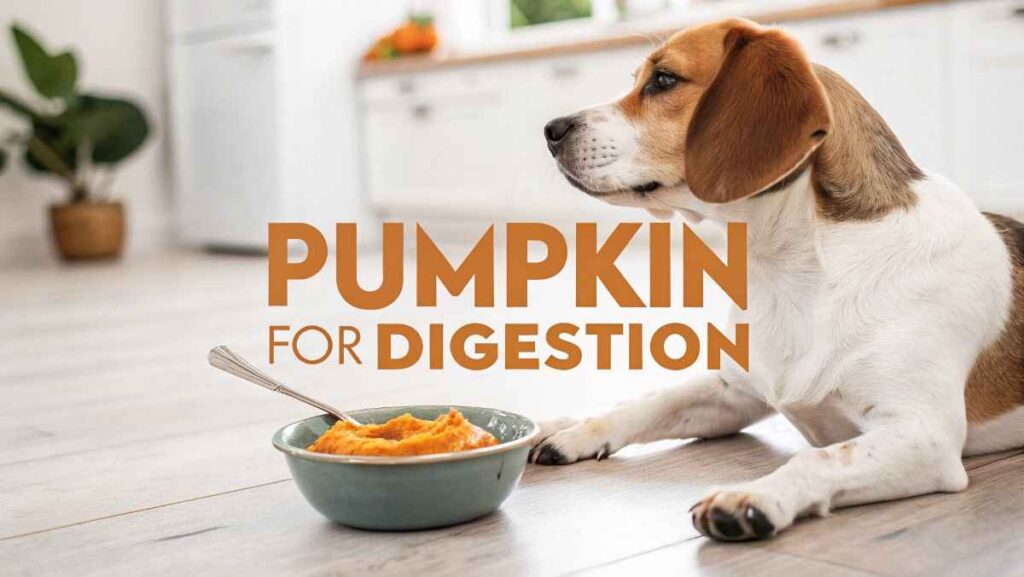
Plain pumpkin is very helpful for dogs with gas.
You can use:
- Canned pumpkin (plain, not sweet)
- Fresh cooked pumpkin
Pumpkin is rich in fiber. It helps balance digestion and reduces gas buildup.
Dosage guide:
| Dog Size | Amount of Pumpkin |
| Small dog | 1 teaspoon |
| Medium dog | 1–2 tablespoons |
| Large dog | 2–4 tablespoons |
Do not give too much, or it may cause loose stool.
3. Probiotics for Gut Health
Probiotics are good bacteria that support your dog’s stomach.
They help:
- Improve digestion
- Reduce gas and bloating
- Balance gut bacteria
You can use:
- Dog probiotic supplements
- Small amounts of plain yogurt (if your dog tolerates dairy)
Always choose products made for dogs when possible.
4. Ginger (Natural Anti-Gas Remedy)
Ginger can help reduce gas and stomach discomfort.
Use only a very small amount:
- A pinch of fresh grated ginger
- Or a tiny amount of ginger powder
Mix it with food.
Benefits:
- Helps reduce inflammation
- Supports digestion
- Can ease bloating
Do not overuse it, as too much can upset the stomach.
5. Smaller, Frequent Meals
Some dogs get gas because they eat too fast or too much at once.
Instead of one or two large meals:
- Give smaller meals
- Feed 2–3 times a day
This helps:
- Reduce air swallowing
- Improve digestion
- Lower gas production
6. Slow Feeder Bowls
Dogs that eat quickly often swallow air. This can cause gas.
A slow feeder bowl helps:
- Slow down eating
- Reduce gulping
- Improve digestion
It is a simple change that can make a big difference.
7. Light Exercise and Tummy Massage
Movement helps the digestive system.
You can:
- Take your dog for a short walk
- Gently massage the belly
This helps:
- Move gas through the system
- Reduce discomfort
- Improve digestion
Keep it gentle. Do not press hard on the stomach.
What Causes Gas in Dogs?
Understanding the cause helps you prevent gas in the future.
Common causes include:
Eating Too Fast
Dogs that eat very quickly often swallow extra air while eating. This trapped air builds inside the stomach and causes gas, bloating, and stomach discomfort after meals, especially in dogs that gulp food without chewing.
Poor Diet
Low-quality dog food with fillers and artificial ingredients can upset digestion and create extra gas. Some foods are harder for dogs to digest, leading to bloating, stomach discomfort, and strong-smelling gas throughout the day.
Food Intolerance
Some dogs cannot properly digest certain foods like dairy, soy, or wheat. This food intolerance can upset the stomach and lead to gas, bloating, loose stool, and digestive discomfort after eating those ingredients.
Sudden Food Changes
Changing your dog’s food too quickly can upset the digestive system. The stomach needs time to adjust, and sudden diet changes may cause gas, bloating, diarrhea, or stomach discomfort for several days afterward.
Swallowing Air
Dogs sometimes swallow air while eating, drinking, or panting heavily. This extra air stays inside the stomach and causes gas buildup, bloating, and burping, especially in dogs that eat or drink very fast.
Table Scraps
Table scraps like spicy food, fatty meat, or dairy products can upset your dog’s stomach. These foods are harder to digest and often lead to gas, bloating, and uncomfortable digestive problems in many dogs.
When Home Remedies Are NOT Safe
Sometimes gas is not just gas. It can be a sign of a serious condition.
Watch for these signs:
- Hard, swollen belly
- Trying to vomit but nothing comes out
- Excess drooling
- Restlessness or pain
- Rapid breathing
These may be signs of bloat, which is a life-threatening condition.
Important:
- Do not try home remedies in this case
- Take your dog to a vet immediately
What NOT to Give Your Dog for Gas
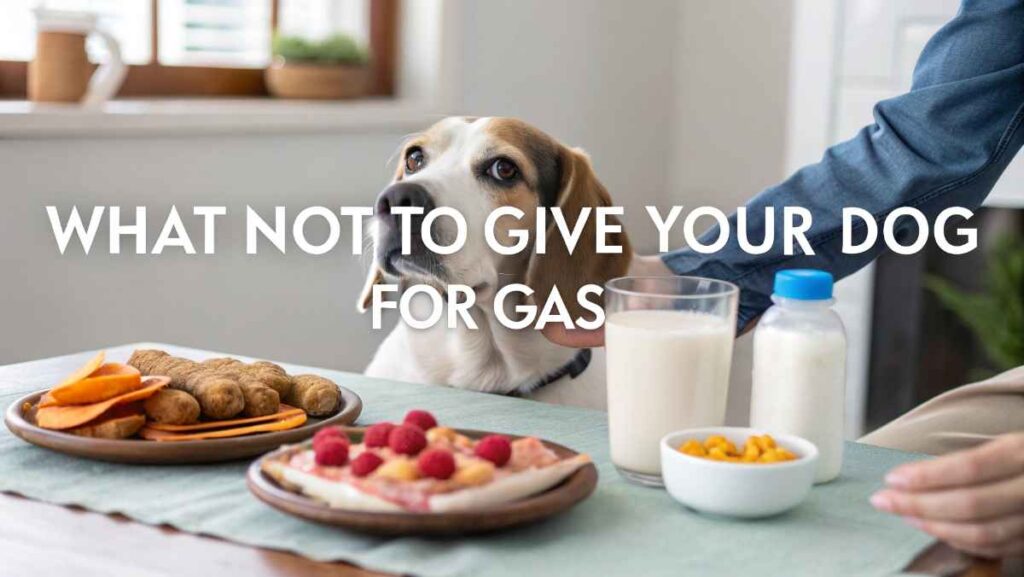
Some things can make the problem worse or harm your dog.
Avoid:
Human Medications
Human gas medicines may not be safe for dogs and can sometimes cause serious health problems. Never give your dog medication unless a veterinarian says it is safe and gives proper dosage instructions.
Dairy Products
Many dogs cannot digest dairy products properly. Milk, cheese, and ice cream may upset the stomach and cause gas, bloating, diarrhea, and discomfort, especially in dogs sensitive to lactose or dairy ingredients.
Fatty Foods
Fatty foods like fried meat or greasy leftovers are difficult for dogs to digest. They can increase gas, upset the stomach, and sometimes lead to vomiting, diarrhea, or more serious digestive issues.
Spicy or Seasoned Food
Spicy or heavily seasoned foods can irritate your dog’s stomach and digestive system. These foods often cause gas, bloating, stomach pain, and diarrhea, making your dog feel uncomfortable after eating them.
Artificial Sweeteners
Artificial sweeteners, especially xylitol, are extremely dangerous for dogs. Even small amounts can cause serious health problems. Always keep sugar-free foods, candies, and gum safely away from your dog at home.
Always keep your dog’s diet simple and safe.
When to See a Vet
Home remedies are only for mild gas. You should see a vet if:
- Gas lasts more than 1–2 days
- Your dog seems in pain
- There is vomiting or diarrhea
- Your dog stops eating
- The belly looks swollen
A vet can check for:
- Food allergies
- Digestive problems
- Infections
Getting help early can prevent bigger issues.
Best Diet to Prevent Gas in Dogs
Prevention is better than treatment. A good diet can reduce gas problems.
Choose High-Quality Food
Look for food with:
- Real meat
- Fewer fillers
- Good ingredients
Avoid Gas-Causing Foods
Some foods can increase gas:
- Beans
- Soy
- Dairy
- Fatty scraps
Change Food Slowly
When switching food:
- Do it over 5–7 days
- Mix old and new food gradually
This helps the stomach adjust.
Add Fiber Carefully
A small amount of fiber (like pumpkin) can help digestion.
Dog Gas Remedy Dosage Guide
Here is a simple guide for safe home remedies:
| Remedy | Small Dog | Medium Dog | Large Dog |
| Pumpkin | 1 tsp | 1–2 tbsp | 2–4 tbsp |
| Ginger | Pinch | Small pinch | 1/8 tsp |
| Probiotic | As directed | As directed | As directed |
Always start with small amounts and watch your dog’s reaction.
Gas Relief for Dogs Home Remedy
Simple home remedies can help your dog’s gas. Feed plain chicken and rice, add a little pumpkin, and give probiotics. Smaller meals and gentle walks also help digestion and reduce gas naturally without stress.
Is Dog Gas Dangerous?
Dog gas is usually normal, but too much gas can mean a problem. If your dog has pain, a swollen belly, or cannot relax, it may be serious. In such cases, do not wait and contact a vet.
How to Relieve Gas in Dogs Instantly
For quick relief, gently massage your dog’s belly and take a short walk. These help move trapped gas. You can also give a small amount of pumpkin or probiotics to calm the stomach quickly.
My Dog Has Bad Gas What Can I Give Him Over the Counter
Some over-the-counter options like dog probiotics or digestive supplements can help reduce gas. Always choose products made for dogs and follow instructions. Avoid human medicines unless your vet says they are safe.
What to Give a Dog for Gas Relief
You can give pumpkin, probiotics, or a bland diet like chicken and rice. These are easy to digest and help reduce gas. Feeding smaller meals and slowing down eating also improves digestion.
What Home Remedy Can I Give My Dog for Gas at Night

At night, give a light meal like boiled chicken and rice. Add a little pumpkin for digestion. A gentle tummy massage can also help your dog feel comfortable and reduce gas before sleeping.
What Home Remedy Can I Give My Dog for Gas Over the Counter
You can use dog-safe probiotics or digestive aids available in stores. These help balance gut bacteria and reduce gas. Always check labels and avoid giving anything made for humans without proper advice.
Dog Gas Relief Home Remedy Coconut Oil
A small amount of coconut oil may help digestion and reduce gas. Use only a little, as too much can upset the stomach. It works best when added slowly to your dog’s regular food.
What Can I Give My Dog for Gas at Home
At home, you can give pumpkin, probiotics, or a bland diet. These simple remedies support digestion and reduce gas. Also, feed smaller meals and make sure your dog eats slowly.
Dog Bloated Stomach Home Remedy
If your dog’s stomach looks bloated, be careful. Mild gas can improve with light food and rest. But if the belly is hard or painful, it may be serious, and you should visit a vet quickly.
FAQs
What can I safely give my dog for gas?
You can safely give pumpkin, probiotics, or boiled chicken and rice. These are gentle, easy to digest, and help reduce gas.
What human medicine can dogs take for gas?
Some human medicines may help, but only if your vet approves. Never give human gas medicine to dogs without proper guidance.
How to help dogs get rid of gas naturally?
Feed smaller meals, add pumpkin, give probiotics, and take short walks. These natural steps help digestion and reduce gas buildup.
What is the fastest home remedy for gas?
A gentle tummy massage and short walk can quickly help release gas. Pumpkin or probiotics may also calm your dog’s stomach fast.
How to get gas out of a dog’s belly?
Massage your dog’s belly gently and encourage light walking. This helps move trapped gas and relieves pressure in the stomach.
Can I give my dog Pepto for gas?
Pepto may help some dogs, but only with vet advice. Giving it without guidance can be unsafe for your dog.
What foods stop gas in dogs?
Plain chicken, white rice, and pumpkin help reduce gas. These foods are easy to digest and support healthy gut function.
How do dogs act when they have gas?
Dogs with gas may seem uncomfortable, restless, or bloated. They may pass gas often or have a noisy stomach.
How do I get my dog to stop being so gassy?
Feed high-quality food, avoid table scraps, give smaller meals, and add probiotics. These steps help reduce gas and improve digestion.
What can I give my dog for upset tummy and gas?
Give a bland diet like chicken and rice, plus pumpkin. These help soothe the stomach and reduce gas naturally.
Final Thoughts
Gas in dogs is usually not serious, but it can be uncomfortable. Simple home remedies like a bland diet, pumpkin, and probiotics can help in many cases.
Small changes such as feeding smaller meals and slowing down eating can also make a big difference.
Always keep your dog’s safety first. If you notice unusual symptoms or the gas does not improve, it is best to visit a vet.
A healthy diet and good feeding habits are the best ways to prevent gas and keep your dog comfortable every day.