Why Is My Dog’s Nail Turning Black – Causes & Warning Signs

A dog’s nail turning black is often harmless pigmentation. However, it can also signal injury, nail bed trauma, or bacterial or fungal infection. Check for pain, swelling, or smell to decide if a vet visit is needed.
In this article, you’ll discover simple reasons, warning signs, and easy solutions to keep your dog’s nails healthy and strong.
Causes Of Dog Nails Turning Black
Understanding the cause helps you stay calm and take the right action. In most cases, this change is harmless—but sometimes, it needs attention.
1. Natural Pigmentation (The “Quicking” Process)
This is the most common and least worrying reason.
As dogs grow, their nails can naturally darken. Just like human hair changes color, dog nails can shift from light to dark over time. This process is often called “quicking,” where the inner part of the nail becomes stronger and more visible.
Some breeds—like Labradors, Golden Retrievers, and German Shepherds—naturally have darker nails. If your dog’s nails are smooth, strong, and pain-free, there’s nothing to worry about.
Good sign:
- No pain
- No swelling
- No limping
This is a healthy, natural change.
2. Injury and Trauma

Dogs love to run, jump, and explore. Sometimes, this leads to accidents.
If your dog hits their paw or gets it stuck, blood can collect under the nail. This creates a dark purple or black color, known as a bruise.
Signs to watch:
- Sudden color change
- Swelling
- Licking the paw
- Limping
Most minor injuries heal on their own. However, if the nail is cracked or hanging, it needs quick care.
3. Bacterial or Fungal Infections
Infections are a common reason for nail color changes.
Bacteria and yeast thrive in warm, moist areas—like your dog’s paws. When they grow, they can damage the nail and turn it black, brown, or yellow.
Warning signs:
- Bad smell
- Sticky or greasy discharge
- Crumbling nail
- Redness or swelling
Infections don’t go away on their own. The good news? They are very treatable with proper care.
4. Lupoid Onychodystrophy (Symmetric Lupoid Onychodystrophy)
This condition sounds complex, but here’s the simple truth:
It’s an immune problem where the body attacks the nails.
This leads to:
- Weak, brittle nails
- Dark discoloration
- Nails falling off
It’s not very common, but it needs long-term care. With the right treatment, many dogs live happy, active lives.
5. Tumors or Growths (Rare but Serious)
This is rare—but important to know.
Sometimes, a black nail can be linked to a growth under the nail. These may be benign (non-cancerous) or serious.
Red flags:
- One nail changing suddenly
- Bleeding
- Swollen toe
- Nail growing in odd directions
Early detection makes a huge difference. Always trust your instincts.
How to Care for Your Dog’s Nails at Home
Simple habits can keep your dog’s nails strong and healthy.
1. Check paws weekly: Look for color changes, cracks, or swelling.
2. Trim carefully: Black nails hide the “quick,” so trim small amounts at a time.
3. Keep nails moisturized: Dry nails crack easily. Use paw balm or coconut oil.
4. Keep paws clean: After walks, wipe away dirt and moisture.
5. Provide a healthy diet: Strong nails come from good nutrition—especially protein and omega fatty acids.
These small steps build big protection.
Solutions For Dog Nails Turning Black: Step-by-Step Guide
Let’s turn concern into confidence with clear steps.
Step 1: Confirm the Cause (Quick Recap)
Match the symptoms:
- Slow change, no pain: Natural pigmentation
- Sudden dark color: Injury
- Smell or discharge: Infection
- Multiple weak nails: Immune issue
- Swollen toe: Possible tumor
When unsure, a vet visit brings peace of mind.
Step 2. Solutions for an Injured or Bruised Nail
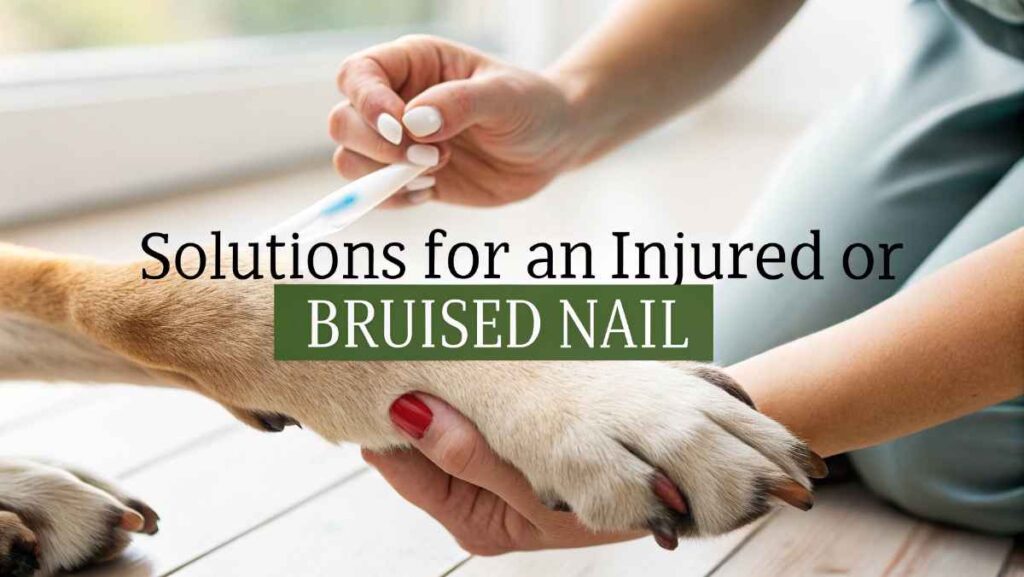
Good news—most bruises heal naturally.
What to do:
- Limit activity for a few days
- Keep walks short and gentle
- Avoid rough surfaces
If the nail is broken:
- Cover it lightly
- Visit a vet for safe removal
Healing usually takes a few weeks.
Step 3. Treating Bacterial and Fungal Infections
Infections need action—but they respond well to treatment.
For Bacterial Infections:
- Use vet-prescribed antibiotics
- Clean the paw daily
- Keep the area dry
Consistency brings fast results.
For Fungal/Yeast Infections:
- Apply antifungal creams or wipes
- Try vet-approved soaks
- Dry paws completely after washing
Clean, dry paws stop infection growth.
Step 4. Managing Lupoid Onychodystrophy
This condition needs patience—but it’s manageable.
Helpful steps:
- Omega-3 supplements (fish oil)
- Vitamins like biotin and vitamin E
- Regular nail trimming
Some dogs may need medication. With care, nails improve over time.
Step 5. Surgical Options (For Tumors or Growths)
If a tumor is present, surgery is often the best solution.
This may involve removing the affected toe. While it sounds scary, dogs recover quickly and feel much better after.
Early treatment leads to excellent outcomes.
Step 6. Prevention: Keeping Nails Healthy and Strong
Prevention is powerful.
Smart habits:
- Trim nails regularly
- Walk on hard surfaces occasionally
- Keep paws clean and dry
- Feed a balanced diet
- Check nails weekly
Healthy routines reduce future problems.
When to Call the Vet (The Bottom Line)
Call your vet if you notice:
- Swelling
- Bad smell
- Bleeding
- Nail falling off
- Limping or pain
Acting early protects your dog’s comfort and health.
How to Prevent Nail Problems in Dogs
Regular Nail Trimming
Regular nail trimming helps prevent cracks, breaks, and painful injuries. Short nails make walking easier for dogs and reduce pressure on their paws. Trim carefully and slowly to avoid cutting too deep into the nail.
Keep Paws Clean and Dry
Clean and dry paws help stop bacteria and fungus from growing around the nails. After walks or outdoor play, gently wipe your dog’s paws and remove dirt, mud, or moisture trapped between the toes.
Check Nails Weekly
Checking your dog’s nails every week helps you notice problems early. Look for cracks, swelling, color changes, or broken nails. Early care can prevent infections and keep your dog comfortable and healthy longer.
Provide a Balanced Diet
A healthy diet supports strong nails, skin, and overall health in dogs. Foods rich in vitamins, minerals, and protein help nails grow properly and lower the chances of weak, brittle, or damaged nails.
Avoid Rough Surfaces
Rough surfaces can wear down or damage your dog’s nails over time. Too much running on hard ground may cause cracks or injuries. Softer walking areas help protect your dog’s paws and nails better.
Discoloration in Nails in Dogs
Nail discoloration in dogs can happen for many reasons like aging, injury, infection, or licking. Some color changes are normal, especially in certain breeds. But if you notice pain, smell, or swelling, it’s best to check with a vet.
Why Is My Dog’s Nail Turning Black All Of
If all your dog’s nails turn black slowly, it is usually normal and caused by natural color change. But if it happens suddenly with pain, swelling, or smell, it may be injury or infection and needs a vet check.
Why Does My Dog Have Some Black Nails And Some White
Dogs can naturally have both black and white nails, and it depends on their breed and coat color. This is completely normal. If the nails look healthy, smooth, and your dog feels fine, there is nothing to worry about.
Dog Nails Turning Reddish-Brown Treatment
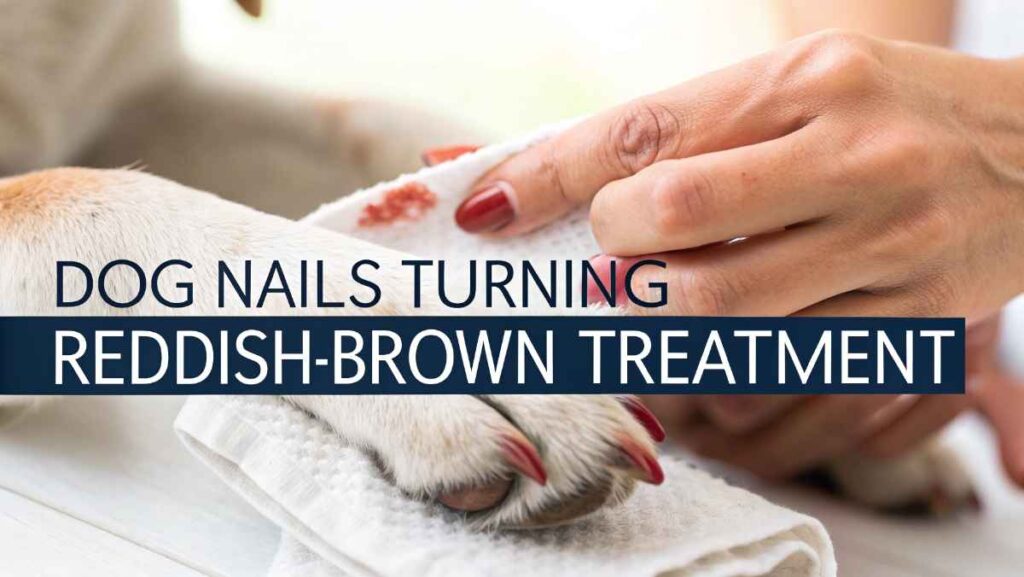
Reddish-brown nails often happen due to licking, moisture, or yeast infection. Clean your dog’s paws daily, keep them dry, and use vet-approved antifungal spray. If the smell or color stays, visit a vet for proper treatment and care.
Dogs Nails Turning Black At Base
If your dog’s nail turns black at the base, it may be an early sign of infection, injury, or swelling. Check for redness, pain, or licking. Keep the paw clean and visit a vet if the problem does not improve.
Dog Nail Turning Black After Injury
When a dog injures its nail, blood can collect under it and turn it black. This is usually a bruise and heals with time. Watch for pain or limping. If the nail breaks or worsens, a vet should treat it.
Dog Black Nail Treatment
Treatment depends on the cause of the black nail. Minor injuries may heal on their own, but infections need medicine. Keep nails clean and short. If there is pain, swelling, or smell, a vet visit is important for proper care.
Dog Black Toenail Limping
If your dog limps with a black toenail, it may feel pain from injury, infection, or a cracked nail. Check the paw gently, keep it clean, and limit activity. If limping continues, visit a vet to avoid serious problems.
Dog Black Nails How To Trim
Trimming black nails can be tricky because you cannot see the quick. Cut very small pieces slowly and carefully. Use good light or a nail grinder. Stop when you see a small grey center to avoid hurting your dog.
Dog Nails Turning Reddish Brown Treatment
Reddish-brown nails often come from licking, moisture, or yeast infection. Clean your dog’s paws daily, keep them dry, and use a vet-approved antifungal spray. Stop licking if possible. If the color or smell continues, visit your vet.
One Dog Nail Turned Black Treatment
If only one nail turns black, it may be from injury or infection. Check for swelling, pain, or smell. Keep the area clean and dry. Minor cases heal naturally, but if symptoms worsen, visit a vet for proper treatment.
How to Trim Black Dog Nails That Are Overgrown
Trim overgrown black nails slowly and carefully. Cut very small pieces at a time to avoid hitting the quick. Use good lighting or a grinder. Take breaks if needed. If unsure or nails are too long, ask a groomer.
FAQs
Is it bad if a dog’s nail is black?
No, black nails are often normal. But sudden changes with pain, swelling, or smell may need a vet check.
How to treat black nails on dog paw?
Keep nails clean, dry, and trimmed. Treat injuries gently. Use vet medicine for infections. Visit a vet if symptoms worsen.
What does an infected nail look like on a dog?
An infected nail looks swollen, red, and may smell bad. You might see discharge, and your dog may lick it often.
What do unhealthy dog nails look like?
Unhealthy nails may look cracked, broken, swollen, or discolored. They may bleed, smell bad, or cause pain and limping.
How to see black nails quickly?
Use bright light and look closely at the nail tip. Trim slowly until you see a small grey center appear.
How can I treat my dog’s infected nail at home?
Clean the nail gently, keep it dry, and stop licking. Use vet-approved sprays. See a vet if it doesn’t improve.
What does it mean when a nail turns black?
A black nail can mean normal color change, injury, or infection. Check for pain or swelling to know if it’s serious.
When to stop on black dog nails?
Stop trimming when you see a small grey or pink dot in the center. This means you are near the quick.
Why did my dog’s nails change color?
Nails can change color due to age, genetics, injury, or infection. Watch for other signs like pain or swelling.
Why Are My Dog’s Nails Discoloured?
Nail discoloration can happen from dirt, licking, infection, or injury. Some color changes are normal, but others need attention.
Conclusion
Seeing your dog’s nail turning black can feel worrying at first, but most of the time, it’s harmless and part of natural changes. The key is to stay calm, observe closely, and act early if something seems unusual.
By checking your dog’s paws regularly, keeping nails clean and trimmed, and watching for signs like pain, swelling, or smell, you can prevent small problems from becoming serious. Simple care makes a big difference.
Remember, you know your dog best. If something doesn’t feel right, trust your instincts and consult your vet. With proper care, attention, and love, your dog’s nails can stay healthy, strong, and pain-free for years to come.