
If your dog recently received a Cytopoint injection and suddenly had a seizure, you are probably scared and looking for answers. Many dog owners wonder whether Cytopoint can cause seizures or other serious side effects.
Cytopoint can rarely cause seizures in dogs. Watch for tremors, weakness, or abnormal behavior after injection and contact your vet immediately.
In this article, you will learn how Cytopoint works, whether it can trigger seizures, what symptoms to watch for, and what to do if your dog has a reaction after treatment.
What Is Cytopoint for Dogs?
Cytopoint is a prescription injection used to control itching caused by allergies in dogs. Veterinarians commonly use it for dogs with atopic dermatitis, a skin condition linked to environmental allergies.
Unlike steroids, Cytopoint works by targeting the itch signal in a dog’s body. It helps stop the scratching without affecting many other parts of the immune system.
Many dog owners prefer Cytopoint because:
- It can work quickly
- One injection may last several weeks
- It is not a steroid
- It usually causes fewer side effects than long-term steroid use
Dogs with constant itching, licking, chewing, and skin irritation often feel much more comfortable after treatment.
How Cytopoint Works

Cytopoint contains a monoclonal antibody called lokivetmab. This antibody targets a protein involved in itching called IL-31.
When IL-31 is blocked:
- Itching decreases
- Skin irritation improves
- Dogs scratch less
Because Cytopoint mainly focuses on itch signals, many veterinarians consider it safer than medications that suppress the whole immune system.
However, no medication is completely risk-free.
Can Cytopoint Cause Seizures?
This is the question many worried dog owners ask after noticing unusual symptoms.
Seizures are considered a rare possible side effect of Cytopoint. Some veterinary safety reports and post-marketing data mention neurological reactions such as:
- Seizures
- Tremors
- Convulsions
- Loss of coordination
Even though these reactions have been reported, they do not happen often. Most dogs tolerate Cytopoint very well.
It is also important to understand that a seizure happening after Cytopoint does not always mean the injection directly caused it. Some dogs may already have hidden medical conditions or seizure disorders that appear around the same time.
Still, dog owners should always take neurological symptoms seriously.
Are Seizures Common With Cytopoint?
No, seizures are not considered common. The majority of dogs that receive Cytopoint only experience mild side effects or no side effects at all. Many veterinarians continue recommending it because it helps allergic dogs feel comfortable without using long-term steroids.
Common mild side effects may include:
- Sleepiness
- Vomiting
- Mild diarrhea
- Temporary soreness at the injection site
Serious neurological problems appear to be uncommon, but they can happen in sensitive dogs.
Also Read: Is Borax For Fleas Safe For Dogs? – Pet Owners Need to Know
Cytopoint vs Coincidental Seizures
Sometimes seizures happen for reasons unrelated to Cytopoint.
A dog may already have:
- Epilepsy
- Brain disease
- Toxin exposure
- Low blood sugar
- Liver problems
- Hidden neurological conditions
Because seizures can have many causes, veterinarians usually investigate several possibilities before blaming one medication.
Still, if a seizure starts shortly after a Cytopoint injection, the timing may raise concern and should be discussed with a veterinarian immediately.
Signs of a Possible Cytopoint Reaction
Dog owners should carefully monitor their pets after any new medication or injection.
Neurological Symptoms
Possible neurological reactions may include:
- Seizures
- Shaking
- Tremors
- Muscle twitching
- Wobbliness
- Trouble walking
- Confusion
- Sudden weakness
Some dogs may also stare into space or appear disoriented.
Other Side Effects to Watch For
Not every reaction involves seizures. Some dogs may show other symptoms after treatment.
Possible side effects include:
- Vomiting
- Diarrhea
- Tiredness
- Loss of appetite
- Facial swelling
- Skin redness
- Injection-site irritation
Mild symptoms may go away on their own, but severe symptoms should never be ignored.
Emergency Symptoms That Need Immediate Vet Care

Seek emergency veterinary help right away if your dog experiences:
- Continuous seizures
- Trouble breathing
- Collapse
- Severe swelling
- Loss of consciousness
- Blue gums
- Extreme weakness
These symptoms could signal a serious medical emergency.
How Soon Can Side Effects Appear After Cytopoint?
Side effects can appear at different times depending on the dog.
First 24 Hours
Some reactions happen within hours after the injection. Owners may notice:
- Sleepiness
- Vomiting
- Restlessness
- Tremors
This is why many veterinarians recommend close monitoring after treatment.
Delayed Reactions
Not every reaction happens immediately.
Some dogs may develop symptoms:
- One day later
- Several days later
- After repeated injections
This can make it harder to know whether Cytopoint played a role.
When To Contact a Veterinarian
Call your veterinarian if your dog:
- Has a seizure
- Acts confused
- Cannot walk properly
- Stops eating
- Vomits repeatedly
- Seems unusually weak
Even mild neurological signs deserve attention.
Must Read: Dog Kidney Failure: When To Euthanize?: Vet-Approved Guide
Which Dogs May Have a Higher Risk?
There is still limited research on why certain dogs react badly to Cytopoint while others do not. However, some dogs may need extra caution.
Dogs With a History of Seizures
Dogs that already have epilepsy or previous seizures should be discussed carefully with a veterinarian before starting Cytopoint.
Your vet may decide:
- Cytopoint is still safe
- Another treatment is better
- Extra monitoring is needed
Senior Dogs
Older dogs often have hidden health conditions that can increase the risk of complications.
Senior dogs may be more sensitive to:
- Medications
- Immune changes
- Neurological problems
Regular checkups become especially important.
Dogs Taking Multiple Medications
Dogs using several medications at once may have a greater chance of side effects or drug interactions.
Always tell your veterinarian about:
- Prescription medications
- Supplements
- Flea products
- Herbal remedies
This helps reduce risk.
Dogs With Neurological Disorders
Dogs with brain disease or nerve problems may need careful monitoring after any injection or medication. Your veterinarian may recommend safer alternatives if neurological symptoms are already present.
What To Do If Your Dog Has a Seizure After Cytopoint
Watching a seizure can be frightening, but staying calm helps protect your dog.
Stay Calm and Protect Your Dog
Move dangerous objects away from your dog so they do not get injured during the seizure.
Keep:
- Furniture edges clear
- Stairs blocked
- Sharp objects away
Time the Seizure
Use your phone or watch to measure how long the seizure lasts. Seizures lasting several minutes may become dangerous and require immediate emergency veterinary treatment and careful monitoring afterward.
Do Not Put Hands Near the Mouth
Never place your hands near your dog’s mouth during a seizure. Dogs cannot swallow their tongues, but accidental bites may happen because they cannot control movements safely.
Contact an Emergency Vet Immediately
After the seizure ends:
- Call your veterinarian
- Explain the symptoms
- Mention the recent Cytopoint injection
- Follow emergency instructions
Your veterinarian may recommend immediate testing.
How Veterinarians Diagnose the Cause of Seizures
Seizures can happen for many reasons, so veterinarians usually perform a full evaluation.
Physical Examination
The vet checks:
- Temperature
- Heart rate
- Neurological reflexes
- Balance and coordination
Blood Tests
Blood work may help identify:
- Infection
- Organ disease
- Blood sugar problems
- Toxic exposure
Medication History Review
Your veterinarian will ask about:
- Recent injections
- Medications
- Flea preventives
- Supplements
- Diet changes
This helps narrow down possible causes.
Neurological Testing
In severe cases, dogs may need:
- MRI scans
- Spinal fluid testing
- Brain imaging
These tests help rule out brain disease or epilepsy.
Is Cytopoint Still Safe for Dogs?

For many dogs, yes. Cytopoint has helped countless dogs live more comfortably with allergies and chronic itching. Many veterinarians consider it safer than long-term steroid use because it targets itching more specifically. However, every medication has risks.
Dog owners should understand both:
- Benefits
- Possible side effects
The key is monitoring your dog carefully after treatment.
Read Out: How Much Aspirin Can I Give My Dog – Vet-Approved Guide!
Benefits of Cytopoint
Many dog owners choose Cytopoint because:
- It reduces itching quickly
- One injection lasts weeks
- It avoids steroid side effects
- Dogs often feel more comfortable
Some dogs experience major improvement in skin health and sleep quality after treatment.
Risks and Limitations
Possible risks may include:
- Allergic reactions
- Digestive upset
- Lethargy
- Rare neurological symptoms
No treatment works perfectly for every dog.
What Most Veterinarians Recommend
Most veterinarians still consider Cytopoint a useful allergy treatment when used correctly.
They often recommend:
- Monitoring after injections
- Reporting unusual symptoms quickly
- Regular follow-up visits
The decision should always depend on your dog’s health history and individual risk factors.
Alternatives to Cytopoint for Dog Allergies
If Cytopoint is not the right choice for your dog, other treatments may help.
Apoquel
Apoquel is a prescription allergy medication that helps reduce itching and inflammation in dogs. Many dogs respond quickly to treatment, but veterinarians may monitor for side effects, especially in dogs with existing medical conditions.
Antihistamines
Antihistamines may help dogs with mild seasonal allergies by reducing itching and irritation. Results vary between dogs, so veterinarians sometimes recommend trying different antihistamines to find the safest and most effective option.
Omega-3 Supplements
Fish oil and omega-3 fatty acids may improve:
- Skin health
- Inflammation
- Coat quality
These supplements are often used alongside other treatments.
Allergy Testing
Veterinarians may recommend allergy testing to identify triggers such as:
- Dust mites
- Pollen
- Mold
This can help create a long-term treatment plan.
Prescription Diets
Prescription diets may help dogs with food allergies or sensitive skin problems. These special foods avoid common allergens and support healthier digestion, skin condition, and reduced itching when used consistently over time.
Medicated Shampoos
Medicated shampoos can soothe irritated skin, reduce bacteria, and remove allergens from your dog’s coat. Regular bathing with veterinarian-approved shampoos may help control itching and improve skin comfort in allergic dogs naturally.
How To Reduce the Risk of Side Effects
While no treatment is completely risk-free, some steps may help lower the chance of problems.
Share Full Medical History With Your Vet
Tell your veterinarian if your dog has:
- Previous seizures
- Neurological problems
- Chronic illness
- Medication sensitivities
This information helps guide treatment decisions.
Monitor Your Dog After Injection
Watch your dog closely for the first few days after treatment.
Pay attention to:
- Behavior changes
- Appetite
- Walking problems
- Tremors
- Vomiting
Early action can make a big difference.
Keep a Symptom Journal
Writing down symptoms helps your veterinarian track patterns and possible reactions.
Include:
- Date of injection
- Symptoms noticed
- Duration
- Severity
Schedule Follow-Up Visits
Regular checkups help monitor your dog’s response to treatment and catch problems early.
Can Cytopoint Cause Seizures in Dogs Treatment
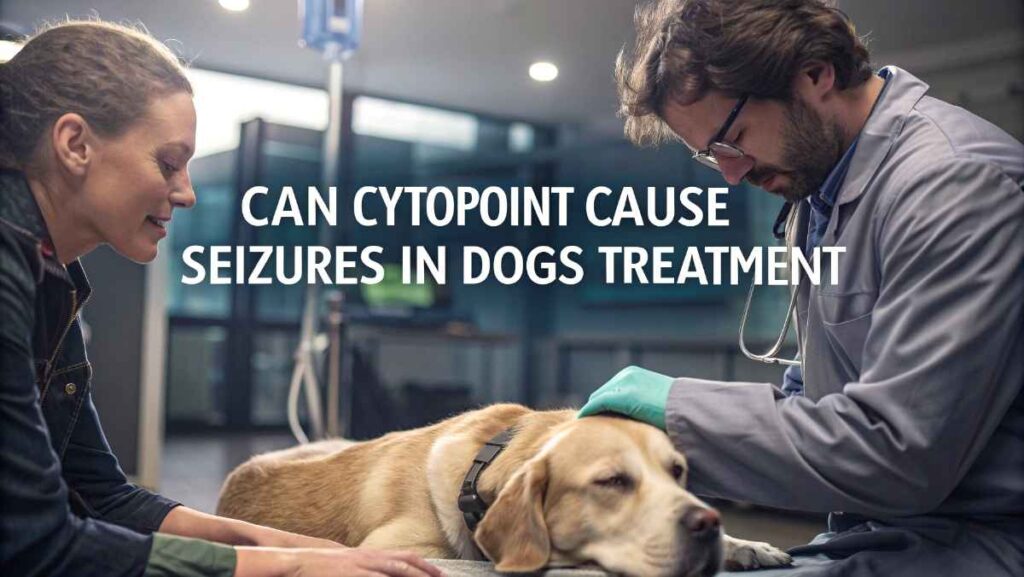
If your dog has seizures after Cytopoint, contact a veterinarian immediately. Treatment may include monitoring, seizure medication, fluids, and supportive care.
Most dogs recover well with fast treatment, but serious symptoms should never be ignored or treated at home without veterinary advice.
Is Apoquel Safe for Dogs With Seizures
Apoquel may be safe for some dogs with seizures, but veterinarians usually use extra caution. Dogs with epilepsy or neurological problems should be monitored closely. Always discuss your dog’s full medical history before starting Apoquel or changing allergy medications.
Cytopoint Side Effects
Common Cytopoint side effects in dogs include tiredness, vomiting, diarrhea, mild swelling, and soreness near the injection site.
Rarely, some dogs may experience tremors, weakness, or seizures. Most side effects are mild, but unusual symptoms should always be checked by a veterinarian quickly.
Cytopoint Injection for Dogs
Cytopoint is an allergy injection that helps reduce itching and skin irritation in dogs. Many dogs feel relief within days after treatment.
The injection usually lasts several weeks and is often used for dogs with environmental allergies or chronic itching problems.
Frequently Asked Questions
Can Cytopoint injections cause seizures in dogs?
Yes, Cytopoint may rarely trigger seizures in sensitive dogs. Most dogs tolerate injections well without serious neurological side effects.
What causes a dog to all of a sudden have seizures?
Sudden seizures in dogs may happen from epilepsy, toxins, low blood sugar, brain disease, infections, or medication reactions.
What is the best flea medicine for dogs that does not cause seizures?
Dogs with seizure risks may need safer flea treatments recommended by veterinarians. Always discuss medication history before using flea products.
What is safer for dogs, Cytopoint or Apoquel?
Both treatments help allergies, but safety depends on your dog’s health. Veterinarians choose based on symptoms, age, and medical history.
What is the downside of Cytopoint?
Cytopoint may cause vomiting, tiredness, swelling, or rare neurological reactions. Some dogs also need repeated injections for lasting relief.
What is the rule of 3 for seizures?
The rule of three means three seizures within twenty-four hours may signal a serious emergency needing immediate veterinary treatment and monitoring.
What is the biggest trigger for seizures?
Common seizure triggers include epilepsy, toxins, stress, low blood sugar, brain disease, infections, and reactions to certain medications or chemicals.
Cytopoint shot safety for dogs with seizures?
Dogs with seizure history should use Cytopoint carefully under veterinary supervision. Extra monitoring helps reduce risks after receiving the injection.
Dog Vomiting & Seizure After Cytopoint: What to Do?
Contact an emergency veterinarian immediately if your dog vomits or has seizures after Cytopoint treatment. Quick care may prevent complications.
Could antibiotics or Cytopoint injection cause seizures in dogs with epilepsy?
Yes, some medications may increase seizure risks in dogs with epilepsy. Veterinarians should review all treatments before giving new medications.
Final Verdict
Cytopoint can possibly cause seizures in dogs, but these reactions appear to be rare. Most dogs receive the injection without serious problems and experience significant relief from itching and allergies.
Still, dog owners should stay alert after treatment and watch for unusual symptoms such as tremors, confusion, weakness, or seizures.
If your dog shows neurological symptoms after Cytopoint, contact a veterinarian immediately. Quick medical attention can help identify the cause and protect your dog’s health.
The best treatment plan is always one made with your veterinarian based on your dog’s medical history, allergy severity, and overall condition.