How To Relieve Dog Itching After Grooming Home Remedies
Oatmeal baths, chamomile tea soaks, cool water rinses, and alcohol-free aloe vera may help relieve dog itching after grooming naturally while soothing irritated, sensitive skin safely at home.
This guide explains why dogs itch after grooming, the best home remedies for relief, prevention tips, and warning signs every dog owner should know.
Why Is My Dog Itchy After Grooming?
Dogs may scratch after grooming for many different reasons. Some causes are mild and temporary, while others may point to allergies or skin problems. Understanding the cause of the itching helps you choose the best treatment for your dog.
Shampoo Irritation
One of the most common reasons dogs itch after grooming is irritation caused by shampoo. Many grooming products contain fragrances, artificial dyes, sulfates, and harsh cleaning ingredients that may dry out the skin. While these shampoos may smell nice, they are sometimes too strong for dogs with sensitive skin.
When the natural oils are stripped away, the skin becomes dry and uncomfortable. Some dogs develop redness, flaking, or small bumps shortly after grooming. Areas with thinner skin, such as the belly and underarms, are often affected first.
Dogs with allergies are even more likely to react badly to heavily scented grooming products. Switching to a gentle hypoallergenic shampoo may help prevent future irritation.
Dry Skin After Bathing
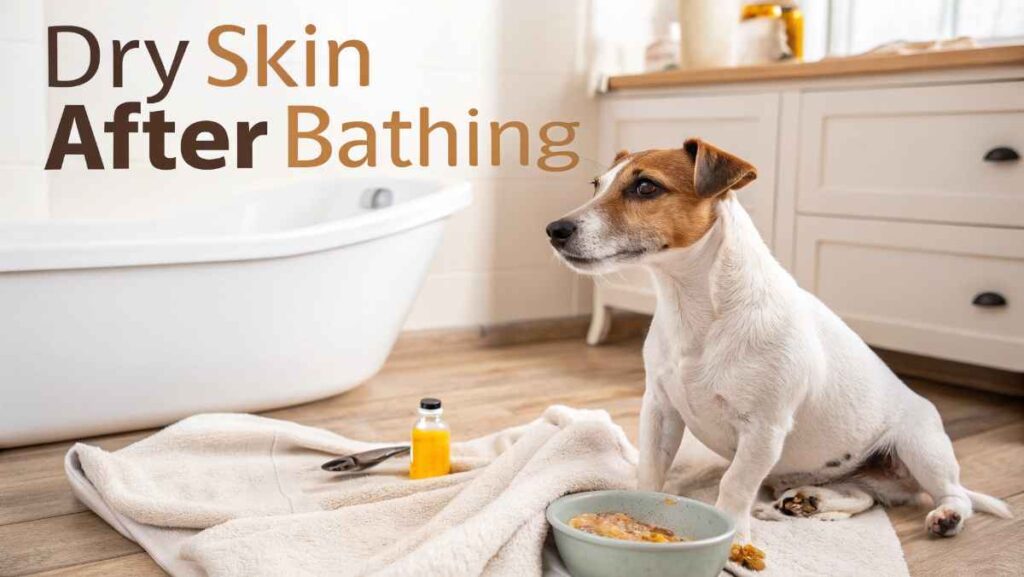
Bathing removes dirt and extra oil from the coat, but too much bathing may also remove healthy oils that protect the skin barrier. Once these oils are lost, the skin may become dry, flaky, and itchy.
Dry skin is especially common during colder months when indoor heating reduces moisture in the air. Dogs with short coats or naturally sensitive skin may develop dryness more easily than others.
You may notice:
- White flakes on the coat
- Dull fur
- Rough skin texture
- Increased scratching
Moisturizing remedies like oatmeal baths and coconut oil may help restore hydration to the skin.
Clipper Burn
Clipper burn is another common reason for itching after grooming. It happens when clippers rub too closely against the skin or when clipper blades become hot during grooming sessions.
Dogs with fine fur or sensitive skin are more likely to experience clipper burn. The irritated area may appear red, warm, or slightly swollen. Some dogs become uncomfortable immediately, while others start scratching a few hours later as irritation develops.
Clipper burn often affects:
- Belly
- Neck
- Legs
- Groin area
- Armpits
Mild cases usually improve within a few days with gentle care and cooling treatments.
Also Read: How Much Aspirin Can I Give My Dog – Vet-Approved Guide!
Leftover Shampoo Residue
Sometimes shampoo is not fully rinsed out after bathing. Residue trapped in the coat may continue irritating the skin long after grooming ends.
This problem is more common in dogs with thick or double coats because shampoo can stay hidden close to the skin. The leftover product may trigger itching, redness, and discomfort.
A cool water rinse after grooming may help remove remaining shampoo and calm irritated skin quickly.
Overbathing
Many dog owners believe frequent baths are healthier, but bathing too often may damage the skin barrier. Dogs do not usually need baths every week unless advised by a veterinarian.
Overbathing strips away the oils that naturally protect the skin. Without these oils, the skin becomes weak, dry, and more likely to itch after every grooming session.
The ideal bathing schedule depends on:
- Breed
- Coat type
- Activity level
- Skin condition
Some dogs only need baths every few weeks.
Allergic Reactions
Some dogs develop allergic reactions to grooming sprays, conditioners, perfumes, or shampoos. Even products labeled as “natural” may contain ingredients that irritate sensitive skin.
Signs of an allergic reaction may include:
- Severe itching
- Red skin
- Ear irritation
- Swelling
- Excessive licking
- Hair loss
If symptoms appear suddenly after using a new product, stop using it immediately.
Signs Your Dog Has Skin Irritation After Grooming
A little scratching after grooming may not be serious, but ongoing discomfort usually means the skin is irritated. Paying attention to symptoms may help you treat the problem before it becomes worse.
Constant Scratching
Dogs often scratch repeatedly when their skin feels uncomfortable. Some scratch the same area constantly, while others rub against furniture or carpet for relief. Too much scratching may break the skin and increase the risk of infection.
Red or Inflamed Skin
Redness is one of the most common signs of irritation. The skin may look pink, warm, or swollen after grooming.
This may happen because of:
- Clipper friction
- Harsh shampoos
- Allergic reactions
- Excessive brushing
Excessive Licking
Dogs often lick itchy areas to soothe discomfort. Paw licking, belly licking, and licking around the legs may all point to skin irritation. Unfortunately, constant licking usually makes the irritation worse.
Hot Spots
Hot spots are painful inflamed patches caused by scratching and licking. These areas may become moist, red, and very sensitive. Hot spots can spread quickly if left untreated.
Hair Loss
Severe itching sometimes causes dogs to lose fur in patches. Hair loss may happen because of:
- Allergic reactions
- Constant scratching
- Skin infections
- Inflamed follicles
Any major hair loss should be checked carefully.
Best Home Remedies for Dog Itching After Grooming
Several safe home remedies may help calm irritated skin naturally. These treatments work best for mild itching and temporary irritation.
Oatmeal Bath for Itchy Skin

Oatmeal is one of the most popular natural remedies for itchy dogs because it helps calm inflammation and moisturize dry skin.
An oatmeal bath may help:
- Reduce redness
- Calm itching
- Moisturize dry skin
- Soothe irritation
How to Prepare an Oatmeal Bath
- Grind plain oatmeal into fine powder
- Add it to lukewarm water
- Let your dog soak for 10 to 15 minutes
- Rinse lightly and dry gently
Avoid flavored oatmeal products with sugar or additives.
See Also: Why Is My Dog’s Nail Turning Black – Causes & Warning Signs
Coconut Oil for Dry Skin
Coconut oil may help moisturize flaky or irritated skin naturally. It may also help improve coat softness.
Rub a small amount between your hands and gently apply it to dry areas. Using too much coconut oil may make the coat greasy or upset the stomach if your dog licks it excessively.
Aloe Vera Gel for Skin Relief
Pure aloe vera gel may cool and soothe irritated skin after grooming.
Choose aloe vera products without:
- Alcohol
- Fragrance
- Added chemicals
Apply a thin layer to irritated areas once or twice daily. Prevent your dog from licking large amounts.
Cool Water Rinse
Sometimes a simple cool water rinse is enough to remove leftover shampoo and calm the skin. Cool water may also help reduce inflammation caused by hot dryers or grooming clippers. Avoid very hot water because heat may worsen dryness and irritation.
Chamomile Tea Spray
Chamomile contains natural calming properties that may help reduce mild skin irritation.
How to Make Chamomile Spray
- Brew chamomile tea
- Allow it to cool completely
- Pour into a spray bottle
- Spray lightly onto itchy areas
This remedy may help soothe mild redness and discomfort.
Apple Cider Vinegar Spray
Diluted apple cider vinegar may help reduce mild itching caused by bacteria or yeast. Mix equal parts vinegar and water before spraying lightly onto itchy skin.
Never use vinegar on:
- Open wounds
- Severe rashes
- Broken skin
It may sting badly and worsen irritation.
Baking Soda Paste
Baking soda may temporarily relieve itching and help dry irritated areas. Mix baking soda with water to create a paste and apply gently to itchy spots for a few minutes before rinsing. Use this treatment only occasionally.
Omega-3 Rich Foods
Healthy skin often starts with proper nutrition. Omega-3 fatty acids may support healthier skin and coat quality over time.
Good sources include:
- Salmon
- Sardines
- Fish oil supplements
Always ask your veterinarian before starting supplements.
How to Prevent Dog Itching After Grooming
Use Gentle Dog Shampoo
Choose a mild dog shampoo made for sensitive skin. Harsh shampoos may remove natural oils, causing dryness, irritation, redness, and itching after grooming, especially in dogs with skin allergies or sensitivities.
Avoid Overbathing
Bathing your dog too often may dry out the skin and remove healthy oils. Most dogs only need occasional baths unless they become dirty or have special skin conditions.
Brush Regularly
Regular brushing removes loose fur, dirt, and dead skin while spreading natural oils through the coat. This helps keep your dog’s skin healthier, softer, cleaner, and less likely to itch.
Use Proper Grooming Tools
Clean, sharp grooming tools are safer for your dog’s skin. Dull clippers or rough brushes may scratch the skin, causing irritation, redness, discomfort, and itching after grooming sessions.
Dry the Coat Properly
Leaving your dog’s coat damp after bathing may irritate the skin and encourage bacteria growth. Gently towel dry the coat or use low heat to keep skin comfortable.
What Is Clipper Burn on Dogs?
Clipper burn happens when grooming clippers irritate the skin through friction or excessive heat.
Dogs with thin fur are especially vulnerable.
Signs of Clipper Burn
Symptoms may include:
- Red skin
- Small bumps
- Warm skin
- Sensitivity
- Scratching after shaving
How to Treat Mild Clipper Burn
Helpful remedies include:
- Cool compresses
- Aloe vera gel
- Oatmeal baths
- Resting the irritated area
Most mild cases improve within a few days.
When Should You Call a Vet?
Home remedies may help mild irritation, but some symptoms require professional treatment.
Call your veterinarian if your dog develops:
- Bleeding skin
- Open sores
- Severe swelling
- Pus or discharge
- Bad odor
- Constant scratching
- Hair loss
- Fever
- Pain
Skin infections and allergies may become worse without treatment.
Must Read: Why Is My Dog’s Nail Turning Black – Causes & Warning Signs
Are Home Remedies Safe for All Dogs?
Puppies and Sensitive Dogs

Puppies and dogs with sensitive skin may react more strongly to natural remedies or grooming products. Always use gentle ingredients and watch carefully for redness, itching, discomfort, or irritation afterward.
Avoid Toxic Ingredients
Never use:
- Tea tree oil
- Human medicated creams
- Strong perfumes
- Alcohol-heavy products
Some human skincare products are dangerous for dogs.
Test Small Areas First
Before using any home remedy on your dog’s entire body, apply a small amount to one area first. This helps you check for irritation, redness, itching, or allergic reactions.
Homemade Dog Anti Itch Spray
A homemade anti itch spray made with chamomile tea or diluted apple cider vinegar may help calm mild skin irritation in dogs. Always avoid spraying open wounds, and test a small skin area first to check for redness or allergic reactions.
Dog Skin Allergy Treatment at Home
Dogs with mild skin allergies may feel better with oatmeal baths, coconut oil, gentle shampoos, and healthy foods rich in omega-3 fatty acids.
Keeping your dog clean and avoiding allergy triggers may also help reduce itching, redness, and skin discomfort naturally.
How Long Will My Dog Itch After Grooming
Mild itching after grooming usually lasts a few hours to two days, depending on the cause. If your dog keeps scratching, develops redness, swelling, or skin sores, the irritation may need veterinary treatment instead of simple home remedies.
How to Treat Dog Skin Infection at Home Naturally
Mild skin infections may improve with gentle cleaning, oatmeal baths, aloe vera gel, and keeping the affected area dry and clean.
However, serious infections with swelling, pus, bleeding, or bad smell should always be checked by a veterinarian quickly.
What to Feed Dogs With Itchy Skin Homemade
Dogs with itchy skin may benefit from homemade meals containing salmon, sardines, sweet potatoes, pumpkin, brown rice, and vegetables.
Foods rich in omega-3 fatty acids may support healthier skin and help reduce dryness, irritation, and constant itching naturally.
FAQs
Is It Normal for a Dog to Be Itchy After Getting Groomed?
Yes, mild itching after grooming is common because shampoos, clippers, or bathing may temporarily irritate sensitive skin in some dogs naturally.
What Human Cream Can You Put on a Dog for Itchy Skin?
Avoid using human creams without veterinary advice because some ingredients may harm dogs or worsen skin irritation and allergic reactions badly.
What Can I Put on My Dog to Relieve Itching Immediately?
Cool oatmeal baths, aloe vera gel, and gentle coconut oil may help calm mild itching and soothe irritated skin quickly after grooming.
What Stops Itching Fast?
Oatmeal baths, cool compresses, and gentle moisturizing products may help reduce itching quickly while calming irritated skin and reducing discomfort naturally.
Why Do Groomers Spray Vinegar on Dogs?
Some groomers use diluted vinegar spray to reduce odors, remove bacteria, and help soothe mild itching or skin irritation after grooming.
What Is the Hardest Dog Breed to Groom?
Poodles are often considered difficult to groom because their curly coats require regular brushing, trimming, bathing, and professional grooming maintenance frequently.
What to Put on Dogs’ Irritated Skin After Grooming?
You may apply aloe vera gel, oatmeal treatments, or coconut oil gently to soothe mild irritation and reduce itching after grooming sessions.
What Is Shave Shock in Dogs?
Shave shock happens when a dog’s coat grows back unevenly or slowly after shaving, especially in double-coated breeds with thick fur.
Final Verdict
Dog itching after grooming is common and usually temporary. Mild irritation often happens because of dry skin, shampoo sensitivity, clipper burn, or leftover grooming products. Fortunately, simple home remedies like oatmeal baths, aloe vera gel, coconut oil, cool rinses, and chamomile spray may help calm irritated skin naturally.
Good grooming habits also play an important role in preventing future problems. Using gentle shampoos, avoiding overbathing, and keeping grooming tools clean may help protect your dog’s skin and coat.
However, severe itching, swelling, open sores, or signs of infection should never be ignored. If symptoms continue or become worse, your dog may need veterinary treatment.
Keeping your dog comfortable after grooming helps support healthy skin, a shiny coat, and overall happiness.