Can Dogs Eat Nutter Butters: Symptoms, Risks & Vet Advice!
Dogs should not eat Nutter Butters regularly. While these cookies are not usually toxic, too much can cause stomach problems, weight gain, and obesity. Always avoid products containing xylitol, which is dangerous for dogs.
In this article, you’ll discover whether dogs can eat Nutter Butters, possible risks, warning signs, and safer treat alternatives.
What Are Nutter Butters?
Nutter Butters are sweet peanut butter sandwich cookies made for people, not dogs. They have two crunchy peanut-shaped cookies with a creamy peanut butter filling in the center. Because they smell strongly like peanut butter, many dogs quickly become interested in them and may try to grab one from a table, snack bag, or kitchen counter.
At first glance, dog owners often assume they are harmless because peanut butter itself can sometimes be safe for dogs. However, Nutter Butters are very different from plain natural peanut butter. These cookies are highly processed and contain added sugar, refined flour, oils, salt, preservatives, and artificial ingredients that dogs do not need in their diet.
Although one small bite may not always cause an emergency, these cookies offer almost no nutritional value for dogs. Instead, they increase the risk of digestive problems, unhealthy weight gain, and long-term health concerns when eaten often.
Understanding what is inside Nutter Butters is important before deciding whether your dog should have even a small piece.
Why Dog Owners Worry About Nutter Butters?
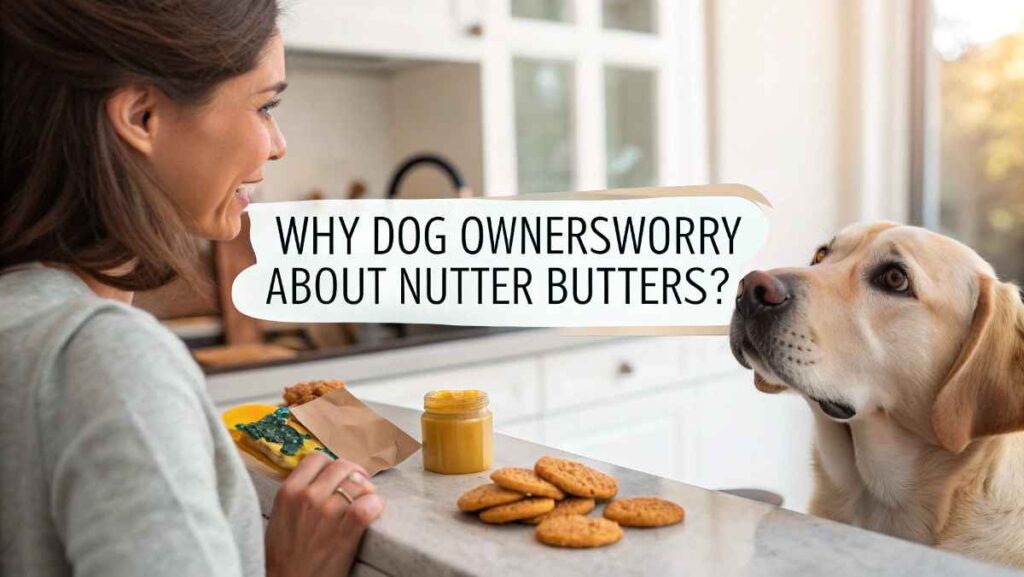
Many pet owners panic after their dog steals a cookie because online advice can feel confusing and inconsistent. Some people say their dog ate one and stayed fine, while others warn about dangerous ingredients and emergency vet visits.
One major concern is peanut butter safety. Many owners know that some peanut butter products contain xylitol, a sweetener that is extremely toxic to dogs. Even though standard Nutter Butters usually do not contain xylitol, people still worry because ingredient formulas can change.
Another concern is the high sugar and fat content. Dogs process these ingredients differently than humans. What seems like a harmless snack to people may lead to stomach pain, diarrhea, vomiting, or pancreatitis in dogs.
Owners are also concerned because every dog reacts differently. A large active dog may handle a small piece without visible issues, while a tiny dog or sensitive breed may become sick quickly.
The fear often comes from questions like:
- Did my dog eat too much?
- Will my dog get poisoned?
- Should I call the vet?
- Is this an emergency?
- Can one cookie hurt my dog?
These concerns are understandable because dog owners want to protect their pets from hidden dangers. The good news is that understanding the risks clearly can help you respond calmly and make smart choices.
Can Dogs Eat Nutter Butters? Is It Safe?
The safest answer is no. Dogs should not eat Nutter Butters intentionally. Although these cookies are not considered highly toxic in most cases, they are still unhealthy for dogs because they contain large amounts of sugar, fat, processed carbohydrates, and artificial ingredients. Dogs simply do not benefit from these ingredients nutritionally.
If your dog accidentally eats a tiny amount, serious harm is unlikely for most healthy dogs. However, problems become more likely if your dog eats several cookies, has a sensitive stomach, or already struggles with conditions like obesity, diabetes, or pancreatitis.
Nutter Butters may lead to:
- Stomach upset
- Vomiting
- Diarrhea
- Excess gas
- Weight gain
- Pancreatitis risk
- Dehydration from excess sodium
Small dogs are usually at greater risk because their bodies cannot process large amounts of sugar and fat as easily as larger dogs.
Another important point is that ingredient formulas can vary over time. Dog owners should always check labels carefully before allowing any peanut butter product near their pets.
Veterinary experts generally agree that occasional accidental exposure is usually manageable, but regular feeding is a poor choice. Dogs thrive best on balanced nutrition made for canine digestion, not processed human desserts.
The smartest and healthiest decision is to avoid Nutter Butters completely and choose safer dog-friendly snacks instead.
See Also: Can Dogs Have Ricotta Cheese? – Vet-Approved Guide (2026)
Ingredient-by-Ingredient Risk Explained
Understanding the ingredients inside Nutter Butters helps explain why these cookies are not recommended for dogs.
Peanut Butter (Processed Filling)
Plain peanut butter without xylitol can be safe for dogs in small amounts. However, the peanut butter filling inside Nutter Butters is highly processed and mixed with extra sugar, oils, and additives.
This processed filling contains unnecessary calories and fats that may upset your dog’s stomach. It also lacks the simple nutritional value found in natural peanut butter. Dogs may love the taste, but the filling is designed for human flavor preferences, not canine health.
Sugar & Corn Syrup
Dogs do not need added sugar in their diet. Nutter Butters contain large amounts of sugar and corn syrup, which can quickly lead to digestive discomfort.
Too much sugar may cause:
- Hyperactivity
- Gas
- Loose stools
- Vomiting
- Weight gain
- Dental problems
Long-term exposure to sugary foods increases the risk of obesity and diabetes in dogs. Even though one cookie may not immediately harm a healthy dog, repeated exposure creates unnecessary health risks.
Refined Flour (Wheat)
Refined flour is not toxic to dogs, but it provides little nutritional benefit. It acts mostly as filler and may trigger digestive issues in dogs with grain sensitivities.
Some dogs may experience:
- Itchy skin
- Mild stomach upset
- Bloating
- Digestive discomfort
Whole-food ingredients are always healthier than heavily processed flour products.
Added Fats & Oils
Nutter Butters contain oils and fats that increase flavor and shelf life. Unfortunately, high-fat foods are difficult for many dogs to digest.
Fat-heavy snacks may trigger:
- Nausea
- Vomiting
- Pancreatitis
- Weight gain
Pancreatitis is especially dangerous because it causes inflammation of the pancreas and may require emergency veterinary treatment. Small breeds and senior dogs are often more sensitive to fatty foods than larger healthy dogs.
Salt (Sodium)
Dogs are more sensitive to sodium than humans. While a small amount of salt may not be dangerous immediately, excess sodium can still create problems.
Possible effects include:
- Excessive thirst
- Dehydration
- Electrolyte imbalance
- Increased urination
Dogs with heart or kidney problems should avoid salty processed snacks entirely.
Artificial Flavorings & Preservatives
Artificial ingredients are added to improve taste and extend shelf life. These additives provide no health value for dogs and may irritate sensitive digestive systems.
Some dogs react more strongly than others, especially if they already have food sensitivities or allergies.
Although preservatives alone may not cause poisoning, combining them with sugar, fats, and sodium makes Nutter Butters a poor treat choice overall.
Read Also: What Home Remedy Can I Give My Dog For Gas: Solutions!
What Happens If My Dog Eats a Nutter Butter?
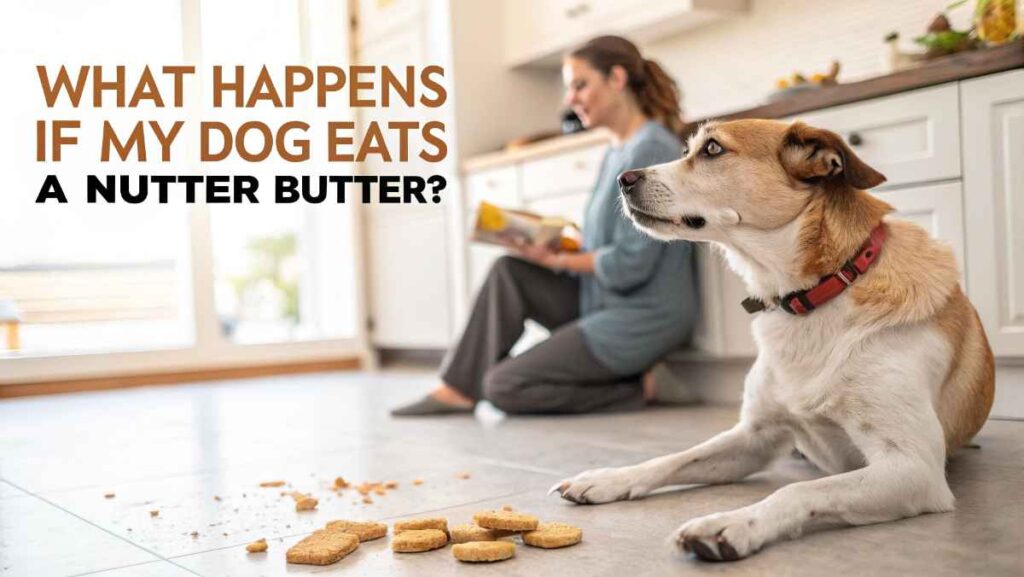
If your dog steals one small Nutter Butter, there is usually no need to panic immediately. Most healthy dogs recover without serious problems after eating a tiny amount. However, you should still monitor your dog carefully for the next 12 to 24 hours.
Common mild symptoms include:
- Gas
- Soft stool
- Mild bloating
- Temporary stomach discomfort
These mild signs often pass naturally with time.
More serious symptoms may include:
- Repeated vomiting
- Severe diarrhea
- Extreme tiredness
- Loss of appetite
- Tremors
- Excessive drooling
If your dog shows severe symptoms or ate a large amount, contact a veterinarian quickly. Dogs with existing medical problems are more likely to react poorly. Puppies, small breeds, diabetic dogs, and dogs with pancreatitis history require extra caution.
If the product contains xylitol or another toxic sweetener, seek emergency veterinary help immediately because xylitol poisoning can become life-threatening very fast. Staying calm and observing symptoms carefully is usually the best first step after accidental exposure.
Can Dogs Eat Nutter Butters According to Reddit?
Many Reddit discussions about dogs eating Nutter Butters share similar experiences. Most dog owners report that their dogs survived small accidental bites without major problems.
Common Reddit comments include:
- “My dog ate one and was okay.”
- “My puppy had gas afterward.”
- “The vet told me to monitor symptoms.”
- “Always check for xylitol first.”
While these personal stories may feel reassuring, they should not replace veterinary advice. Every dog reacts differently based on size, age, health condition, and amount eaten.
Reddit discussions also highlight an important lesson: just because a dog survived eating something does not mean it is healthy or safe to feed regularly.
Veterinary professionals continue to recommend avoiding processed sugary cookies altogether and choosing dog-safe treats instead.
Online experiences can provide comfort, but trusted veterinary guidance should always come first when your dog’s health is involved.
Moderation vs. Avoidance: What Dog Owners Should Know?
Many owners wonder whether occasional small amounts are harmless or whether Nutter Butters should be completely avoided.
The truth is simple: accidental exposure is usually less dangerous than intentional feeding. Understanding the difference helps owners make safer choices.
Accidental Bite vs. Planned Treat
If your dog grabs one cookie accidentally, the situation is often manageable with monitoring. However, intentionally feeding Nutter Butters as a treat is not recommended.
Dogs do not understand nutrition. They rely on owners to choose foods that support their health rather than satisfy temporary cravings. A planned treat should provide some benefit, not unnecessary sugar and processed fats.
Portion Size Matters
The amount eaten makes a huge difference. A tiny crumb affects a large dog differently than a small puppy. Smaller dogs have less body weight, so sugar, salt, and fat affect them more quickly.
One full cookie may upset a tiny dog’s stomach much faster than a larger breed. Even if symptoms stay mild, smaller dogs deserve extra caution because they become dehydrated faster after vomiting or diarrhea.
Frequency Is the Bigger Risk
One accidental exposure is usually far less concerning than repeated feeding.
Dogs who regularly eat sugary processed snacks may develop:
- Obesity
- Diabetes
- Digestive problems
- Pancreatitis
- Poor dental health
The bigger danger often comes from turning unhealthy foods into habits. Dogs thrive on consistency, balanced nutrition, and moderation.
Dogs With Special Sensitivities
Some dogs should avoid Nutter Butters completely because they are more vulnerable to digestive or metabolic problems.
Higher-risk dogs include:
- Puppies
- Senior dogs
- Diabetic dogs
- Overweight dogs
- Dogs with pancreatitis history
- Dogs with sensitive stomachs
These dogs may struggle even with small portions of fatty or sugary snacks. For sensitive dogs, healthy alternatives are always the safest option.
Must Read: How To Strengthen Dogs Nails: 7 Easy Tips That Really Work
Safer, Dog-Friendly Alternatives
The good news is that dogs can still enjoy delicious treats without the risks linked to Nutter Butters. Many healthy options provide flavor, excitement, and enrichment while supporting your dog’s health.
Dog-Safe Peanut Butter
Natural peanut butter can be a fantastic occasional treat if it contains only peanuts and no xylitol.
Look for peanut butter with:
- No xylitol
- No added sugar
- Minimal salt
- Simple ingredients
You can spread small amounts inside puzzle toys or use it for training rewards.
Moderation is still important because peanut butter contains fat and calories.
Other Safe Nut or Seed Butters
Some dogs enjoy alternative spreads in tiny amounts.
Safer options may include:
- Sunflower seed butter
- Almond butter in moderation
- Unsweetened seed spreads
Always check ingredient labels carefully before offering new foods.
Whole-Food Treats Dogs Love
Simple whole foods are often healthier than processed snacks.
Popular dog-friendly choices include:
- Apple slices without seeds
- Carrot sticks
- Plain pumpkin puree
- Blueberries
- Banana slices
These foods provide natural nutrients without excessive sugar or preservatives.
Commercial Dog Treats
Many commercial dog treats are specifically designed for canine digestion and nutrition.
Look for treats with:
- Short ingredient lists
- Real meat or vegetables
- Low sugar
- No artificial preservatives
Training treats and low-calorie biscuits are excellent for regular rewards. Choosing trusted dog brands helps reduce unnecessary health risks.
Can Puppies Eat Nutter Butters?
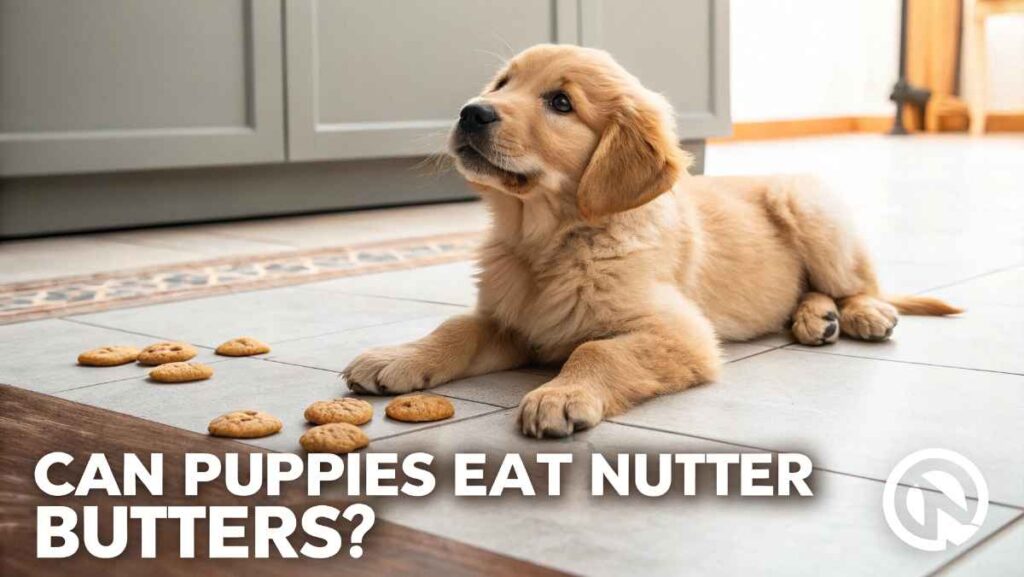
Puppies should not eat Nutter Butters. Their digestive systems are still developing, which makes them more sensitive to rich and processed foods.
Even a small amount may cause diarrhea or vomiting in some puppies. Sugary foods can also encourage unhealthy eating habits from a young age. Instead of cookies, offer puppy-safe treats that are made specifically for growing dogs.
Nutritional Comparison Table
| Ingredient | Found in Nutter Butters | Safe for Dogs? |
| Peanut Butter | Yes | In moderation |
| Sugar | Yes | Not recommended |
| Salt | Yes | Harmful in excess |
| Artificial Flavors | Yes | Best avoided |
| Hydrogenated Oils | Yes | Unhealthy |
Healthy, Fun Options
Dogs love rewards, enrichment, and exciting flavors. Fortunately, healthy treats can still feel fun and satisfying.
Try these safer options instead of Nutter Butters:
- Frozen banana slices
- Carrot sticks
- Apple slices
- Pumpkin treats
- Peanut butter puzzle toys
- Homemade oat dog biscuits
- Vet-approved training treats
Interactive feeding games can also create mental stimulation while keeping snack portions small and healthy. Healthy habits build stronger long-term health, better digestion, and more energy for your dog.
The best treats are not always the sweetest ones. Dogs care more about attention, routine, and excitement than sugary human snacks.
Can Dogs Eat Nutter Butter Cookies
Dogs should not eat Nutter Butter cookies regularly because they contain sugar, fats, salt, and processed ingredients.
A tiny accidental bite is usually not dangerous, but too many cookies may cause stomach upset, weight gain, or digestive problems in sensitive dogs.
Do Nutter Butters Have Xylitol
Standard Nutter Butters usually do not contain xylitol, but ingredient formulas can change anytime. Always check the package label carefully before feeding anything with peanut butter to dogs because xylitol is extremely toxic and may cause dangerous blood sugar drops or liver failure.
Can Dogs Eat Nutter Butters Every day
Dogs should never eat Nutter Butters every day. These cookies contain too much sugar, fat, and processed ingredients for a healthy canine diet.
Regular feeding may increase the risk of obesity, diabetes, pancreatitis, dental problems, and long-term digestive health issues.
Can Dogs Have Butter
Dogs can eat very small amounts of plain butter occasionally, but it is not healthy for them. Butter contains high fat levels that may upset digestion and increase the risk of obesity or pancreatitis, especially in overweight or sensitive dogs with stomach problems.
Can Dogs Eat Nutter Butter Wafers
Dogs should avoid Nutter Butter wafers because they contain processed sugar, oils, fats, and artificial ingredients. While one tiny piece may not seriously harm most dogs, eating larger amounts can lead to vomiting, diarrhea, bloating, or unhealthy long-term weight gain problems.
Can Dogs Eat Nutter Butter Bites
Nutter Butter Bites are not recommended for dogs because they contain high sugar and fat levels. Small accidental exposure is usually manageable, but regular feeding may create digestive issues, obesity risks, and unnecessary strain on your dog’s stomach and overall long-term health.
Can Dogs Eat Homemade Peanut Butter Cookies
Dogs can sometimes eat homemade peanut butter cookies if they are made with dog-safe ingredients. Avoid using xylitol, chocolate, excessive sugar, or too much butter.
Simple recipes using oats, natural peanut butter, and pumpkin are usually much safer for canine digestion and health.
FAQs
Can Dogs Have Nutter Butters?
Dogs should not have Nutter Butters regularly because these cookies contain sugar, fats, and processed ingredients that may upset digestion and cause weight gain.
Is Nutter Butter Okay for Dogs?
Nutter Butter is not a healthy snack for dogs. A small accidental bite is usually harmless, but regular feeding can lead to stomach problems.
Can Dogs Eat Nutty Peanut Butter?
Dogs can eat natural peanut butter in small amounts if it does not contain xylitol, extra sugar, chocolate, or harmful artificial sweeteners.
Which Brand of Peanut Butter Has No Xylitol?
Many natural peanut butter brands avoid xylitol. Always read ingredient labels carefully and choose products containing only peanuts or very simple ingredients.
Can Dogs Eat Nutter Butters Occasionally?
Dogs may handle a tiny accidental piece occasionally, but Nutter Butters are still unhealthy due to high sugar, fat, and processed ingredient content.
Conclusion
So, can dogs eat Nutter Butters? Technically, a tiny accidental bite may not always cause serious harm, but these cookies are far from healthy for dogs.
Nutter Butters contain sugar, fats, salt, preservatives, and processed ingredients that offer no real nutritional value for your pet. Regular feeding increases the risk of digestive problems, obesity, pancreatitis, and other long-term health concerns.
The safest choice is simple: avoid sharing Nutter Butters and choose healthier dog-friendly treats instead.
Your dog depends on you to make smart feeding decisions. By choosing safer snacks, checking ingredient labels carefully, and focusing on balanced nutrition, you help protect your dog’s health, energy, and happiness for years to come.